When the European Union launched its EU4Health Programme (2021–2027), it did so with a clear intention: to build a healthier, stronger, and more resilient Europe (European Commission, n.d.). The pandemic revealed how fragile our systems are, and the programme became a cornerstone for rebuilding trust, coordination, and preparedness. In recent years, EU4Health has brought visible and lasting improvements to the health of Europeans (European Health and Digital Executive Agency, n.d.). It has strengthened cooperation between Member States, improved preparedness for cross-border health threats, promoted vaccination, invested in mental health, and accelerated the digital transformation of healthcare. These achievements have shown that when Europe acts together, it can protect and promote health more effectively than any nation acting alone. As the current strategic cycle nears its end, one question becomes increasingly urgent: what kind of Europe do we want to build next?
If the goal is truly “health for all”, then the next phase of European health planning must go beyond infrastructure, digitalisation, and crisis management. It must deliberately include the cultural, social, and ethical dimensions of health, areas that too often remain in the background, despite their decisive influence on people’s wellbeing.
Across Europe, populations are becoming more culturally and linguistically diverse. Migration, mobility, and demographic change have reshaped our communities, hospitals, and classrooms. Diversity brings richness, but also complexity. It changes how people perceive illness, how they communicate with professionals, and how they trust or mistrust health institutions. Without explicit attention to these dimensions, health inequalities will deepen, not diminish.
This growing diversity makes the need for inclusion and cultural competence more important than ever. A strategy that does not address these dimensions risks widening the gap between those who can easily access and understand healthcare and those who cannot. As Europe becomes more plural, the notion of equality in health can no longer be taken for granted, it must be consciously built into every layer of policy and practice.
Transcultural nursing stands precisely at this intersection. Nurses witness how cultural differences affect care every day, whether through misunderstandings about treatment, differing health beliefs, or language barriers that compromise safety and compassion. These are not marginal issues; they are structural realities that shape outcomes across the continent.
The EU4Health Programme has invested significantly in prevention, digital transformation, and workforce resilience. Yet, if cultural competence and social inclusion are not embedded in the next European Health Strategy, these investments risk serving only part of the population. Digital health tools must be linguistically and culturally accessible. Public health campaigns must consider cultural norms and literacy levels. Training for healthcare professionals must systematically include intercultural communication and sensitivity.
For organisations like the European Transcultural Nursing Association (ETNA), the years leading up to 2027 offer a crucial window. We can, and must, advocate that the post-2027 EU health agenda explicitly recognises cultural diversity as a determinant of health. This means encouraging policymakers to:
- integrate transcultural and social perspectives into all new EU health initiatives;
- fund projects that reduce cultural and linguistic barriers to care;
- support the education and mobility of culturally competent nurses across borders;
- collect data that reflects the true diversity of Europe’s people.
Health is never just biological: it is social, cultural, and profoundly human. If Europe’s next strategy ignores this, we risk building efficient systems that still leave many behind.
The EU4Health Programme has been successful because it fostered unity during a time of crisis. The next programme must promote inclusion in an era of diversity. The EU4Health Programme was a necessary response to crisis. Its successor must respond to change, a vision for coexistence that recognises cultural competence not as an optional addition, but as the foundation of equitable healthcare. Only then will a “Healthier European Union” truly mean health for all.

Figure 1. Tranquil Forest Stream, Slovenia (Zabiče – Source of the Reka River) (Photograph by Mirko Prosen, 2024).
References
European Commission. (n.d.). EU4Health programme 2021–2027: A vision for a healthier European Union. Retrieved October 4, 2025, from https://health.ec.europa.eu/funding/eu4health-programme-2021-2027-vision-healthier-european-union_en
European Health and Digital Executive Agency. (n.d.). About the EU4Health programme. Retrieved October 4, 2025, from https://hadea.ec.europa.eu/programmes/eu4health/about_en?utm_source=chatgpt.com
About the author
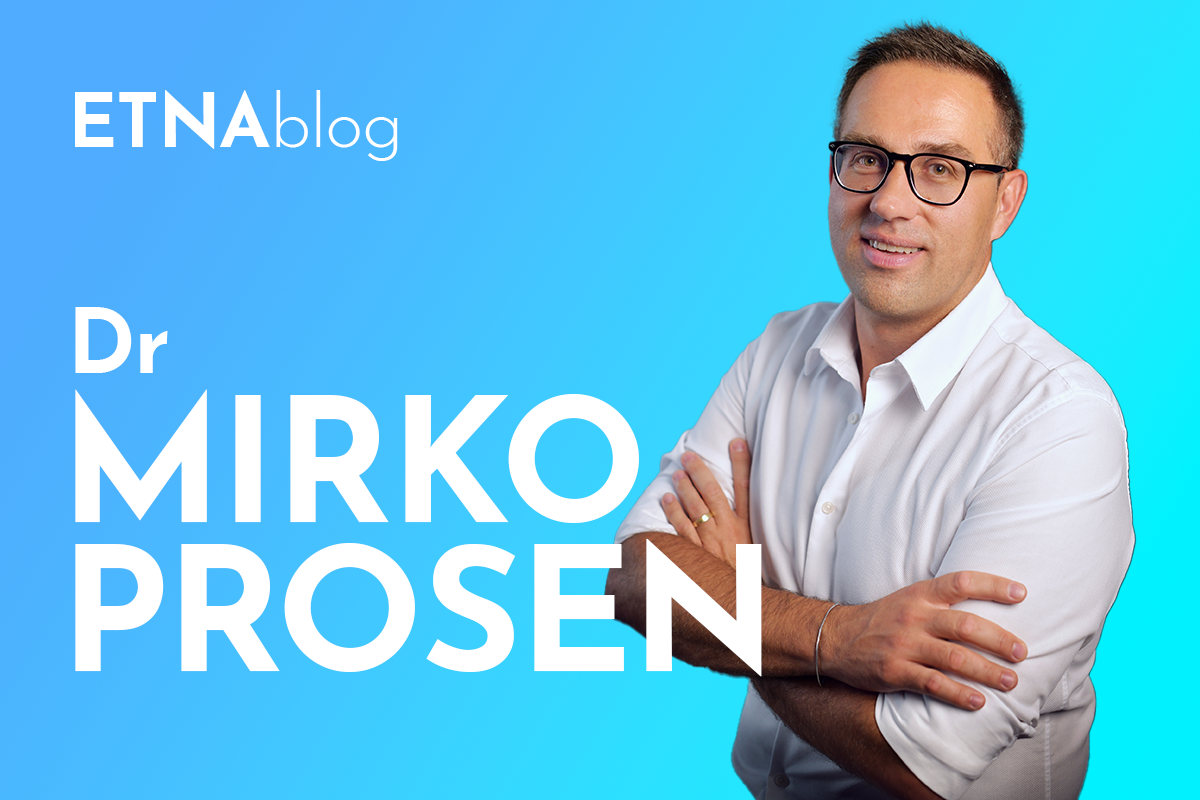 Dr. Mirko Prosen is an Associate Professor and Senior Research Fellow at the Faculty of Health Sciences, University of Primorska, Slovenia. His academic work focuses on the sociology of health and illness, with a particular emphasis on women’s health, transcultural healthcare and education, and health professions education. He is an expert in qualitative research methodology and serves as editor and editorial board member of several national and international journals. Dr. Prosen is the author of numerous scientific publications and has received multiple national and international awards for his academic and professional contributions.