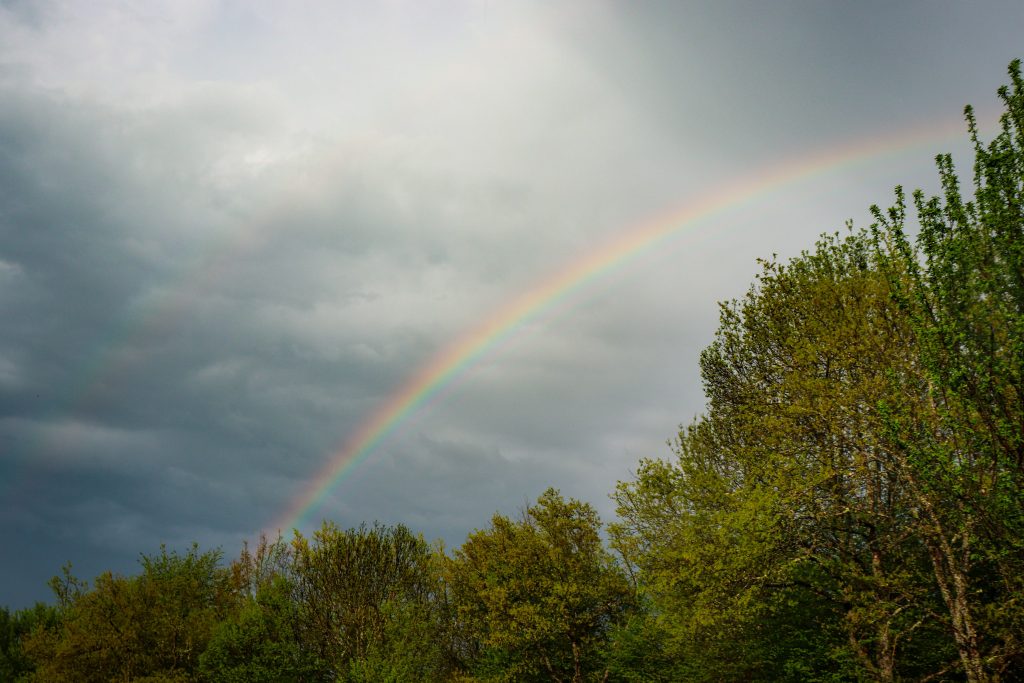
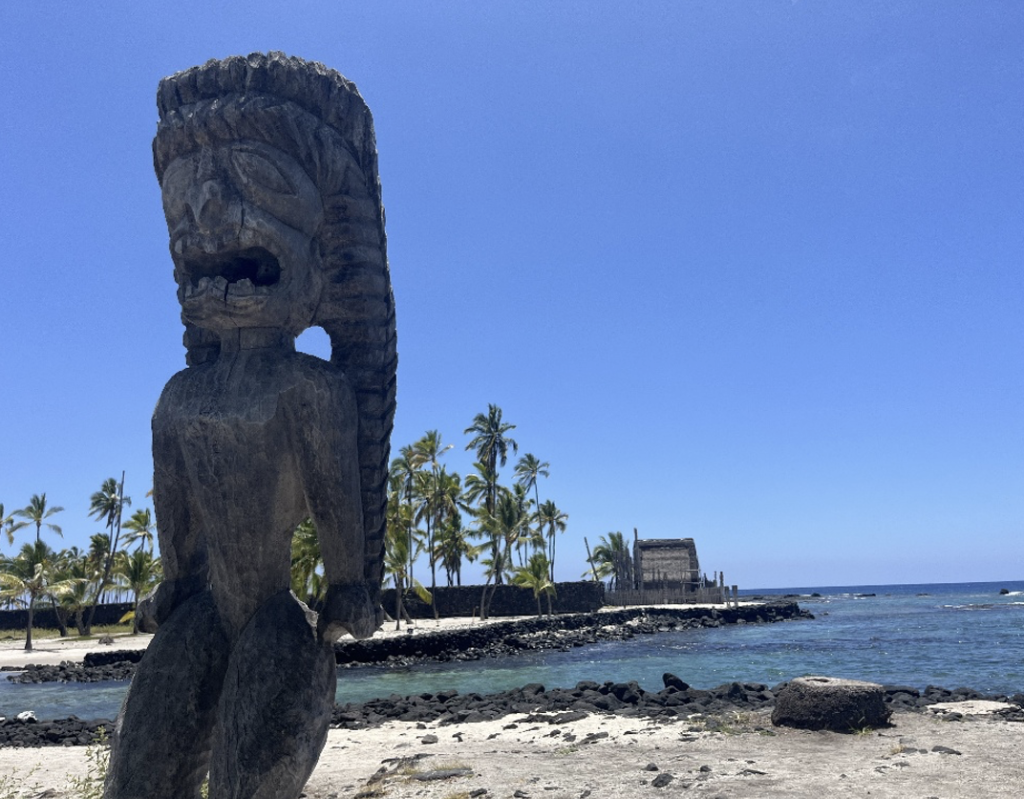
When people think of Hawaiʻi, they often imagine turquoise waters, rainbows, active volcano, music, flowers, and the warmth of aloha. While these images are real, they do not capture the complete story. Beneath the beauty, there are individuals sleeping in cars, tents, parks, abandoned spaces, and hidden corners of the islands—people carrying trauma, illness, grief, and the daily burden of being unseen.
My work focuses on homelessness and mental health, particularly among those living with severe mental illness. As an advanced practice registered nurse and board-certified family and psychiatric mental health nurse practitioner, I have learned that a single event rarely causes homelessness. It is often the result of multiple, layered challenges: poverty, high housing costs, historical loss, family conflict, addiction, untreated psychiatric conditions, medical issues, and the complexities of systems that can overwhelm individuals who are already exhausted.
In Hawaiʻi, this reality is especially painful. Native Hawaiians and Pacific Islanders experience homelessness at disproportionately high rates, and many face significant barriers to accessing mental health care. Recent public health and advocacy reports indicate that many adults in Hawaiʻi live with mental health conditions, with serious mental illness affecting thousands. A significant portion of people experiencing homelessness also suffers from disabling conditions or mental illness. While the numbers are important, the individuals behind them are what truly matter.
Street medicine has taught me to meet people where they are—both literally and emotionally. Sometimes this means providing care beside a road, behind an abandoned building, near a beach, under a derelict boat, or in a tree’s shade or a shelter. Other times, it means sitting quietly until a person feels safe enough to talk, often waiting months. Mainstream healthcare often expects patients to come prepared, arrive on time, articulate their symptoms clearly, and trust the clinician immediately. However, those who have experienced homelessness, psychosis, trauma, discrimination, or repeated rejection may not be ready to trust anyone.
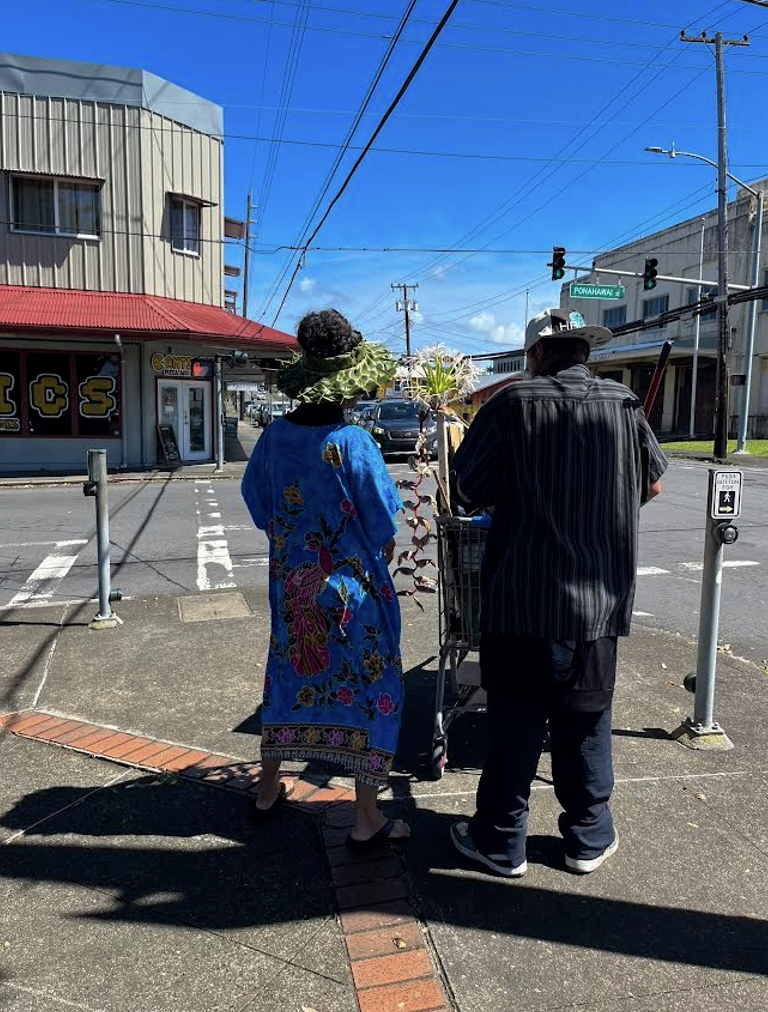
That is why relationships are the foundation of my practice. Before I consider treatment plans, medications, diagnoses, or referrals, there must be respect. I remind myself that every person has a story that exists before the chart, a name before the diagnosis, and dignity that transcends any circumstance. Severe mental illness can change how a person thinks, speaks, behaves, and interacts with the world. Homelessness exacerbates these challenges: safety during sleep becomes a luxury, hygiene becomes difficult, nutrition becomes irregular, medications can be lost or stolen, and attending follow-up appointments can become nearly impossible.
I have witnessed how quickly society labels individuals as noncompliant, difficult, addicted, or hopeless. In reality, many are simply surviving with limited choices. A person hearing voices may be trying to protect themselves from a world that feels threatening. Someone refusing shelter may have experienced violence in crowded spaces. A person using substances might be attempting to quiet their pain, memories, or untreated symptoms. Compassion does not imply ignoring risk or illness; it means looking deeper before passing judgment.
I carry three guiding principles into my work: show respect, build trust, and preserve dignity. Respect begins with language, posture, patience, and active listening. Trust is built slowly at their own pace, often through repeated small acts: returning when I said I would, remembering a concern, offering hot coffee, providing banana bread, clearly explaining medication options, or simply acknowledging a person’s fear. Dignity means recognizing the whole human being—not just the tent, the symptoms, the odor, the crisis, or the diagnosis.
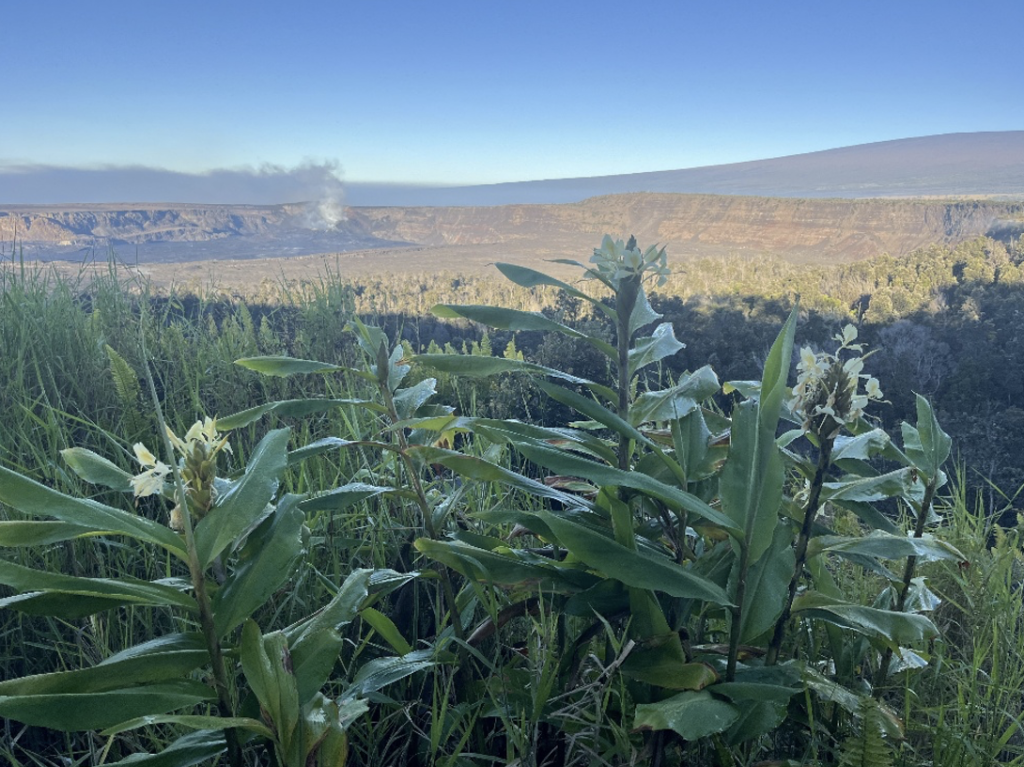
My own journey shapes how I serve. I came to Hawaiʻi years ago as an international student from Burma (now Myanmar) and studied nursing at the University of Hawaiʻi at Hilo. I recall my homesickness, the yearning for familiar food, and the longing to belong. I also remember seeing individuals lined up for meals, living in cars, or asking for help. Those early experiences opened my eyes to the hardship that exists beneath the paradise. Years later, after working with assertive community treatment teams in the Chicago area, I returned to this work with deeper clinical preparation and a stronger commitment to underserved communities.
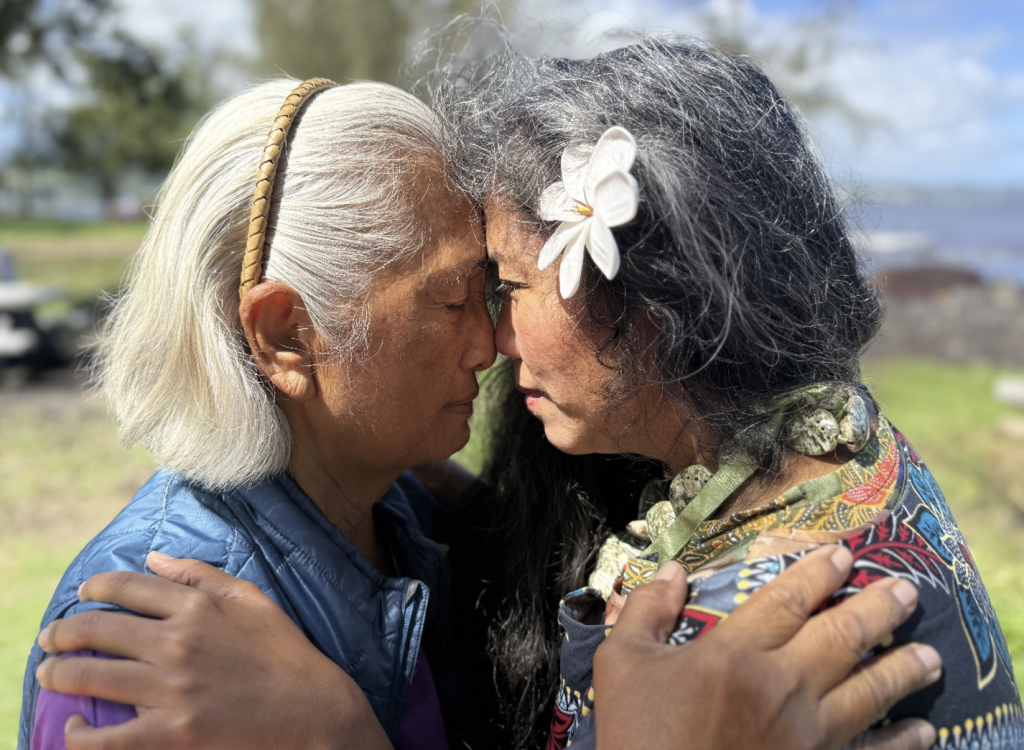
Homelessness and mental illness are not simply medical issues. They are moral, social, cultural, and public health concerns. Housing is healthcare. Mental health treatment is preventive care. Providing culturally respectful care is a matter of justice. When individuals are stabilized, housed, and treated with dignity, they are more likely to heal, reconnect, and participate in community life.
Under the rainbow, there is suffering—but there is also hope. Every encounter provides an opportunity to restore a small piece of humanity that homelessness and illness may have taken away. As nurses, clinicians, advocates, and neighbors, we are called to see the unseen, hear the unheard, and stand beside those who have been pushed to the margins. That is the heart of my work: not only to treat illness but also to honor the humanity of those I serve.
ka mahalo i ka ʻāina a me ka poʻe o Hawaiʻi.
With respect to the land and
the people of Hawaii
Mya Yee Nandar
About the author

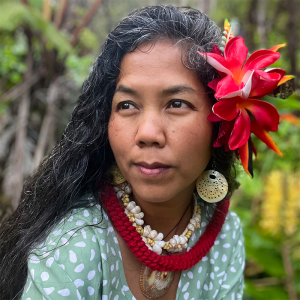
Mya Yee Nandar, is a dual board-certified family medicine and psychiatric mental health nurse practitioner and Doctor of Nursing Practice candidate at Yale University. Her career has focused on expanding culturally responsive care for underserved communities, including refugees, people experiencing homelessness, and individuals living with complex medical, mental health, and substance use challenges.
As co-founder of the Transcultural Nursing Society in Fort Wayne Chapter, Indiana, Mya served a large refugee population affected by war, displacement, and trauma. Her work and research center on culturally congruent care that bridges modern medical practice with the needs, values, and lived experiences of diverse ethnic communities.
Recognized with the AANP State Award for Excellence in Illinois, she remains committed to advancing equitable, compassionate, and accessible health care for communities that are often overlooked or under-resourced.