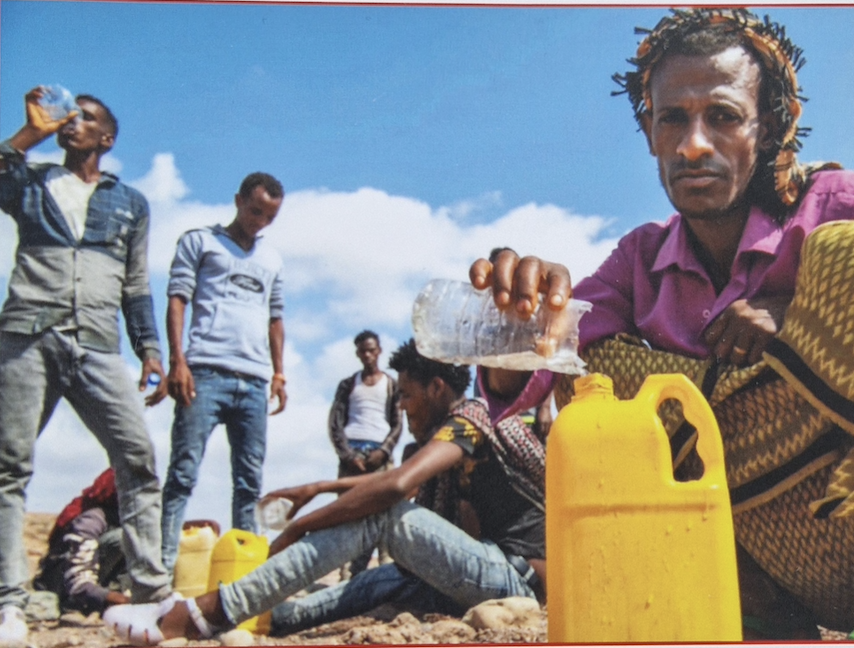
"Healthcare equity is not achieved solely through legislation or funding. It is created every day by professionals and volunteers who are willing to bridge cultures, languages and health systems."
At the end of June, while much of Europe was struggling through an intense heatwave, I found myself in Verona as part of an Erasmus+ staff mobility programme. The city was bustling with tourists seeking shade and cold drinks. Just a few streets away, however, volunteers at CESAIM were quietly addressing a very different challenge, ensuring that migrants who often struggle to access healthcare were not left behind.
During my stay, I visited CESAIM ODV-ETS (Centro Salute Immigrati – Associazione di Volontariato), a volunteer-based health centre providing healthcare for migrants and other vulnerable populations in Verona. My conversation with the centre’s director, Dr Alfredo Zanatta, and his colleagues offered much more than an introduction to their services. It became an opportunity to reflect on cultural mediation, social responsibility, and the role of volunteering in reducing health inequalities.
When Cultural Mediation Becomes Everyday Practice
Cultural competence is frequently discussed in nursing education, healthcare policy and research. We teach students that healthcare professionals should understand cultural diversity, communicate effectively with patients from different backgrounds and provide person-centred care. Yet these concepts often remain theoretical.
At CESAIM, I witnessed cultural mediation in practice.
The centre serves individuals who frequently encounter multiple barriers when attempting to access healthcare, including language difficulties, administrative obstacles, unfamiliarity with the healthcare system, financial hardship and social exclusion. Rather than viewing these barriers as problems belonging solely to patients, the organisation assumes responsibility for helping overcome them.
What impressed me most was not only the professionalism of the clinical care but also the atmosphere of respect, patience and dignity that characterised every interaction. Cultural mediation was clearly understood as much more than translation, it involved building trust, explaining healthcare processes, understanding patients’ cultural perspectives and supporting them in navigating a complex healthcare system.
Volunteering as a Bridge to Health Equity
One aspect that particularly resonated with me was the remarkable commitment of the volunteers. Physicians, nurses, interpreters, cultural mediators and administrative staff dedicate their time and expertise to ensuring that vulnerable individuals receive appropriate healthcare.
This is not a substitute for the public healthcare system. Rather, it complements the system by reaching those who would otherwise remain underserved.
The experience reminded me that volunteering in healthcare should not be viewed simply as charitable work. It represents an essential social resource capable of reducing health inequalities and promoting social inclusion. In many European countries, healthcare systems are facing increasing pressures associated with migration, workforce shortages and demographic change. Organisations such as CESAIM demonstrate how collaboration between public services and civil society can strengthen rather than compete with statutory healthcare provision.
The Numbers Tell an Important Story
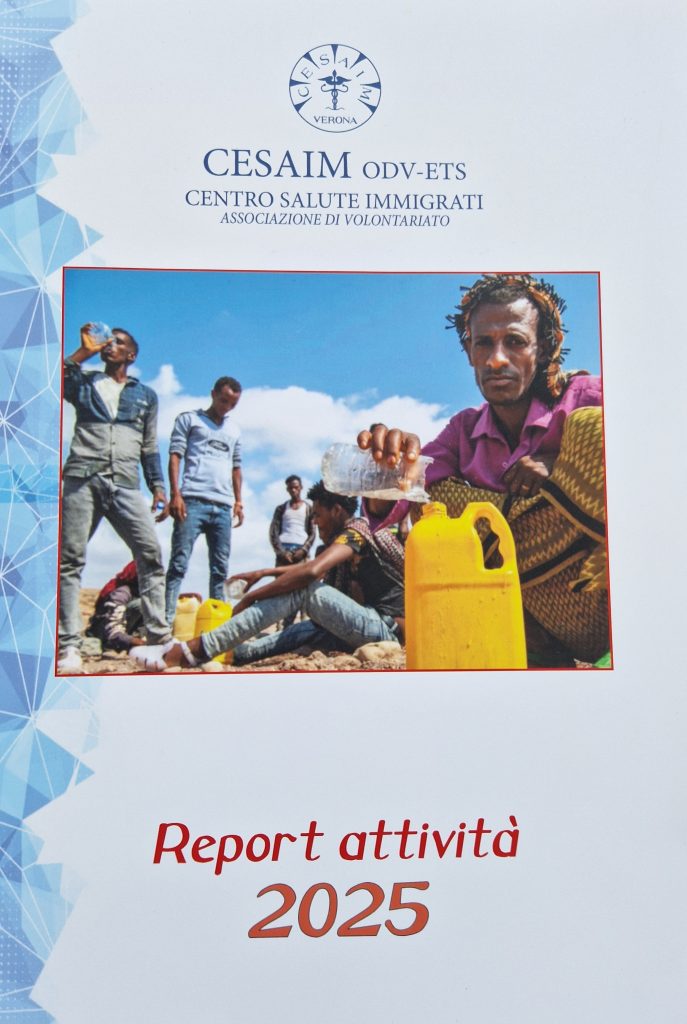
The centre’s annual report (CESAIM, 2025) illustrates the scale of its activities. During 2025, CESAIM provided 8,460 clinical consultations, continuing a steady recovery following the COVID-19 pandemic. Since its establishment in 1993, the organisation has delivered more than 207,000 consultations, highlighting its sustained contribution to migrant healthcare over more than three decades.
The data also demonstrate that CESAIM provides continuity of care rather than only emergency assistance. More than 82% of consultations in 2025 were follow-up visits, indicating long-term management of patients’ health needs. Furthermore, patients in 2025 originated from dozens of different countries, with the highest numbers of consultations involving individuals from Morocco, Sri Lanka, Nigeria, Pakistan and Romania, reflecting the diversity of migration patterns in Northern Italy (CESAIM, 2025).
These statistics are more than administrative records. They reveal the complexity of providing healthcare within increasingly multicultural societies and reinforce the importance of culturally competent care.
Implications for Nursing and Healthcare Education
As a nursing educator, I left Verona with a renewed appreciation of the importance of cultural competence within healthcare education.
Technical knowledge alone is insufficient when caring for culturally diverse populations. Healthcare professionals must also develop communication skills, cultural humility, ethical sensitivity and the ability to establish trusting relationships with patients whose life experiences may differ substantially from their own.
Equally important is recognising that health inequalities cannot be addressed solely through clinical interventions. They require interdisciplinary collaboration involving healthcare professionals, social workers, interpreters, cultural mediators, volunteers and community organisations.
CESAIM offers an inspiring example of this collaborative approach.
A Personal Reflection
What I remember most from my visit is not a particular statistic or organisational model. Instead, I remember the conversations, the enthusiasm of the professionals – volunteers and the conviction that healthcare is fundamentally about human relationships.
The experience reminded me that equitable healthcare begins long before diagnosis or treatment. It begins with listening, understanding and creating an environment in which every individual feels respected, regardless of language, legal status or cultural background.
As Europe becomes increasingly culturally diverse, transcultural nursing can no longer be considered a specialist field. It is becoming an essential competence for all healthcare professionals.
My visit to CESAIM reaffirmed that cultural mediation is not an optional addition to healthcare, it is one of the foundations upon which equitable, person-centred care is built.
References
CESAIM ODV-ETS. (2025). Report attività 2025. Verona, Italy.
About the author
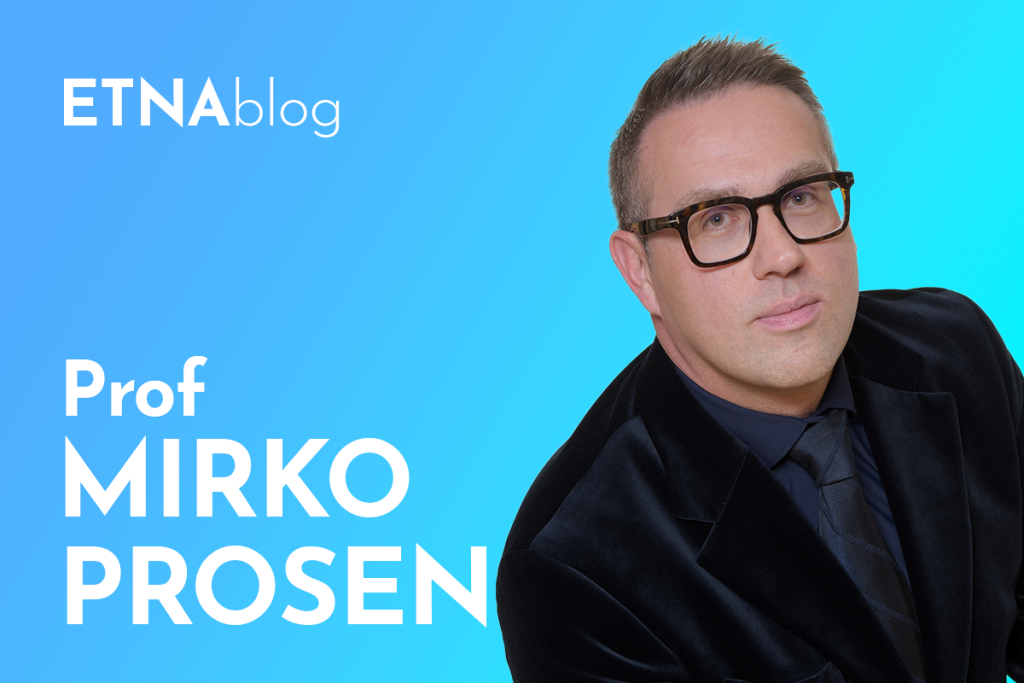
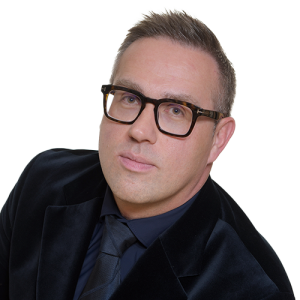
Dr. Mirko Prosen is a Full Professor (Nursing and Health Sociology) and Senior Research Fellow at the Faculty of Health Sciences, University of Primorska, Slovenia. His academic work focuses on the sociology of health and illness, with a particular emphasis on women’s health, transcultural healthcare and education, and health professions education. He is an expert in qualitative research methodology and serves as editor and editorial board member of several national and international journals. Dr. Prosen is the author of numerous scientific publications and has received multiple national and international awards for his academic and professional contributions.