In an increasingly interconnected world, healthcare no longer operates within fixed cultural, geographical, or social boundaries. Migration, globalisation, climate change, pandemics, and digital transformation have reshaped the landscape of health and care delivery. These shifts bring both opportunities and challenges, demanding that healthcare systems, and particularly nursing, respond with greater cultural awareness, adaptability, and innovation (Sharma et al., 2025).
At the centre of this transformation lies transcultural nursing, a field grounded in the understanding that health, illness, and care are deeply shaped by cultural beliefs, values, and lived experiences. Cultural competence is therefore not merely a theoretical concept, but a practical and essential requirement. Evidence consistently demonstrates that effective, efficient, and compassionate care in increasingly diverse societies cannot be achieved without a culturally competent health workforce (Papadopoulos, 2025). In this context, transcultural nursing extends beyond simply recognising “difference”; it involves navigating complexity, addressing health inequities, and ensuring that care remains inclusive, equitable, and person-centred in a rapidly evolving global health environment (Rad, 2025; Theodosopoulos, et al., 2025).
The Changing Face of Global Health
Contemporary global health challenges are multifaceted and interconnected. Health inequalities persist both within and between countries, often disproportionately affecting migrants, refugees, and marginalised populations. Climate change is increasingly recognised as a major determinant of health, shaping disease patterns, displacing populations, and exacerbating vulnerabilities (Martins et al., 2024). At the same time, technological advancements, such as artificial intelligence, are transforming healthcare delivery, raising new questions about ethics, access, and cultural sensitivity (Farhud & Zokaei, 2021).
Within this context, nurses play a critical role. As frontline providers, educators, and advocates, they are uniquely positioned to bridge cultural divides, foster trust, and promote equity in care. However, this role requires more than clinical competence. It demands cultural humility, critical reflection, and the ability to engage meaningfully with diverse communities (Muhaysin, et al., 2024).
Why “One World, Many Voices” Matters
The theme “One World, Many Voices: Reimagining Transcultural Care for Global Health Futures” reflects the urgent need to move beyond one-size-fits-all approaches to healthcare. It calls for the recognition of multiple perspectives (patients, families, communities, and professionals), and the co-creation of care practices that are respectful, responsive, and equitable.
Importantly, this theme also emphasises the value of listening. In transcultural care, listening is not passive. It is an active, ethical, and relational process. It involves acknowledging power dynamics, challenging assumptions, and creating space for voices that are often unheard.
At the same time, reimagining transcultural care requires embracing innovation. Digital health tools, AI-driven solutions, and global collaborations have the potential to enhance care delivery and expand access (Ahmed et al., 2025). Yet, without a culturally informed approach, such innovations risk reinforcing existing disparities. The challenge, therefore, is to ensure that innovation and cultural competence evolve hand in hand.
A Platform for Dialogue and Transformation
These critical questions and opportunities will be at the centre of the 11th International Conference of the European Transcultural Nursing Association (ETNA), which will take place in Limassol, Cyprus, from May 3–6, 2026.
The annual ETNA conference offers a unique platform for nurses, researchers, educators, and healthcare leaders from across Europe and beyond to come together, exchange knowledge, and explore new directions in transcultural care. This year’s conference, will feature keynote presentations, panel discussions, and interactive sessions, through which participants will engage with key themes such as health equity, migration, planetary health, education, and technological innovation.
More importantly, the conference is not only about sharing knowledge. It is about building a community of practice committed to shaping the future of healthcare in a way that is inclusive, culturally responsive, and socially just.
For more information about the conference, please visit: https://europeantransculturalnurses.eu/conference.
Looking Ahead
As we look toward the future, one thing is clear: transcultural nursing is no longer a specialised field. It is a fundamental component of quality healthcare. In a world defined by diversity and change, the ability to understand, respect, and respond to cultural differences is essential.
Reimagining transcultural care means embracing complexity, fostering dialogue, and working collaboratively across disciplines, sectors, and borders. It means recognising that while we live in one world, it is shaped by many voices, each with its own story, perspective, and value.
The challenge and the opportunity for nursing, is to ensure that all these voices are heard.
References
Ahmed, M. M., Okesanya, O. J., Olaleke, N. O., Adigun, O. A., Adebayo, U. O., Oso, T. A., Eshun, G., & Lucero-Prisno, D. E., III. (2025). Integrating digital health innovations to achieve universal health coverage: Promoting health outcomes and quality through global public health equity. Healthcare, 13(9), 1060. https://doi.org/10.3390/healthcare13091060
Farhud, D. D., & Zokaei, S. (2021). Ethical issues of artificial intelligence in medicine and healthcare. Iranian Journal of Public Health, 50(11), i–v. https://doi.org/10.18502/ijph.v50i11.7600
Martins, F. P., Paschoalotto, M. A. C., Closs, J., Bukowski, M., & Veras, M. M. (2024). The double burden: Climate change challenges for health systems. Environmental Health Insights, 18, 11786302241298789. https://doi.org/10.1177/11786302241298789
Papadopoulos, I. (2026) Transcultural Care. A Book and Video Guide to Cultural Competence in Healthcare Professions. Elsevier.
Rad, J. (2025). Health inequities: A persistent global challenge from past to future. International Journal for Equity in Health, 24(1), 148. https://doi.org/10.1186/s12939-025-02526-y
Sharma, M., Akhter, M. S., Roy, S., & Srejon, R. (2025). Future issues in global health: Challenges and conundrums. International Journal of Environmental Research and Public Health, 22(3), 325. https://doi.org/10.3390/ijerph22030325
Theodosopoulos, L., Fradelos, E. C., Panagiotou, A., & Tzavella, F. (2025). Cultural Competence and Ethics Among Nurses in Primary Healthcare: Exploring Their Interrelationship and Implications for Care Delivery. Healthcare, 13(17), 2117. https://doi.org/10.3390/healthcare13172117
Muhaysin, H., Alshammeri, H., Jawaher, Aldefeery, A., et al. (2024). Health equity champions: How medical nurses advocate for marginalized communities. Power System Technology. https://doi.org/10.52783/pst.1062
About the author
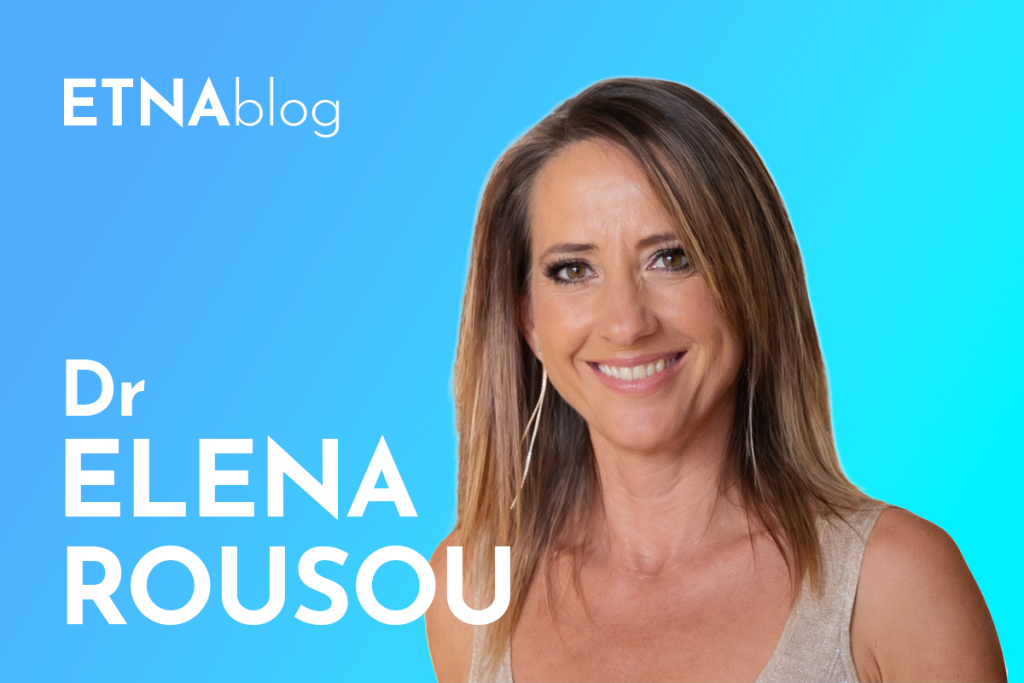
Dr Elena Rousou is an Assistant Professor in Community Nursing at the Department of Nursing, Faculty of Health Sciences, Cyprus University of Technology. She teaches undergraduate and postgraduate courses in Community and Transcultural Nursing, with an emphasis on culturally competent, family-centred, and community-oriented care.
Dr Rousou’s work is strongly research-driven, with a particular focus on community nursing, transcultural healthcare, and health inequalities affecting vulnerable and minority populations. Her research explores culturally competent care, gender-based health issues, and the social determinants of health, aiming to improve equity, access, and quality of care in diverse communities.
She has extensive experience in European research projects, including IENE 4–11 and MultiCultiMed, which promote culturally competent and compassionate healthcare. She has also contributed to projects such as FEM-United, focusing on the prevention of intimate partner violence, domestic violence, and femicide, and the FGM e-Campus, which provides interdisciplinary training for professionals working with affected populations. In addition, she has served on the Management Committees of the COST Actions IS1206 “Femicide Across Europe” and CA15208 “RANCARE – Rationing in Nursing Care.”
Since June 2023, she has served as Vice Chair of the European Transcultural Nurses Association (ETNA).