

Cultural competence in healthcare
The term cultural competence originates from the concept of culturally sensitive care developed by Madeleine Leininger in the twentieth century. Effective and ethical care requires taking into account cultural determinants of health, illness, and treatment. Cultural competence includes several key components: cultural awareness – recognizing one’s own beliefs and prejudices; cultural knowledge – understanding cultural, religious, and linguistic differences; cultural skills – the ability to adapt communication and medical practice to the needs of the patient; and an attitude of openness – willingness to learn from patients about their culture and expectations. The absence of these competencies may result in communication errors, lower levels of patient trust, and ultimately poorer health outcomes. For this reason, the World Health Organization (WHO, 2017) identifies the development of cultural competence as an essential element of healthcare quality and equitable access to services.
Contemporary migration processes, globalization, and the growing mobility of societies mean that patients using healthcare systems increasingly represent diverse cultures, religions, traditions, and value systems. Consequently, healthcare systems face the challenge of adapting to rising cultural diversity. For medical staff, this requires developing cultural competence understood as a comprehensive set of knowledge, skills, and attitudes that enable the provision of healthcare services with respect for the patient’s cultural and worldview differences.
In the context of patients’ rights, cultural competence in healthcare refers to the ability of medical professionals to provide care tailored to the patient’s cultural, religious, and philosophical needs. In Poland, these issues are particularly important in light of existing patients’ rights regulations, which guarantee respect for dignity, privacy, religious beliefs, and the right to information.
Good practices in culturally sensitive care in the context of patients’ rights
In the Polish legal system, the fundamental document regulating patients’ rights is the Act of 6 November 2008 on Patients’ Rights and the Patients’ Rights Ombudsman (Journal of Laws of 2023, item 1545). Although the Act does not explicitly refer to the term cultural competence, many of its provisions impose an obligation to consider cultural and religious differences in medical practice.
- Ensuring the right to understandable information
Article 9(1): the patient has the right to receive information about their health condition in an understandable manner.
In practice, this means that information must be communicated clearly, using accessible language and avoiding unnecessary medical jargon. This often requires providing access to a medical interpreter or offering written materials in the patient’s native language. A good example of this approach can be seen in hospitals that, through special projects, employed cultural or language assistants to support foreign patients in communicating with medical staff. Many hospitals also cooperate with professional interpreters or sign language interpreters.
- Respect for religious beliefs and philosophical convictions
Article 20: the patient has the right to respect for private, family, and spiritual life.
Article 33: the patient has the right to contact a clergyman of their religion.
Article 36: the patient has the right to consent to or refuse healthcare services, in accordance with their own convictions.
These regulations guarantee patients the ability to engage in religious practices and contact clergy of their faith. While Poland is a predominantly Catholic country, patients of other religions are also entitled to spiritual care and, when required, medical staff assist them in contacting an appropriate representative of their faith community. Hospitals often provide access to chapels or designated rooms for prayer. Moreover, patients’ religious or moral objections—such as the refusal of blood transfusions by Jehovah’s Witnesses—must be respected in accordance with the law.
- Respect for privacy and the option to request gender-concordant staff
Article 19(1): the patient has the right to health services provided with due diligence and with respect for their intimacy and dignity.
This provision implies that, whenever possible, patients should be examined or treated by medical personnel of the same gender, particularly in culturally sensitive contexts. If same-gender staff are not available, examinations should be conducted in the presence of a close family member or another trusted person.
- Consideration of diet and cultural customs
Many healthcare facilities have begun implementing nutritional standards that take into account patients’ dietary preferences arising from religious, cultural, or philosophical principles. This includes offering vegetarian, halal, kosher, or other culturally appropriate food options.
- Education of medical students and healthcare professionals
Medical education programs increasingly incorporate topics such as transcultural medicine, intercultural communication, and cultural competence. These courses aim to develop the ability to identify and appropriately respond to the needs of culturally diverse patients, avoid stereotyping, and build relationships based on trust and mutual respect. Interpreting the law through the lens of cultural competence means that physicians, nurses, and other healthcare professionals should take cultural diversity into account in both communication and care organization.
Summary and recommendations
Cultural competence is an essential component of modern healthcare and a key element in the implementation of patients’ rights in Poland. Respect for cultural or religious differences reflects respect for human dignity and constitutes the ethical foundation of medical practice.
Good practices, such as providing access to interpreters, offering culturally appropriate diets, facilitating religious and spiritual needs, and ensuring staff training, contribute to higher quality of care, greater patient trust, and improved treatment outcomes.
Culturally sensitive care requires the systemic incorporation of cultural competence into medical education, the development of standards for intercultural communication, the organization of staff training, and the inclusion of cultural considerations in healthcare quality policies. Integrating these elements into everyday practice supports the full implementation of the constitutional principle of equal access to healthcare services, guaranteed by Article 68 of the Constitution of the Republic of Poland.
References
Betancourt JR., Green AR., Carrillo J. E. (2003). Defining cultural competence: A practical framework for addressing racial/ethnic disparities in health and health care. Public Health Reports, 118(4), 293–302.
Campinha-Bacote J. (2002). The process of cultural competence in the delivery of healthcare services: A model of care. Journal of Transcultural Nursing, 13(3), 181–184.
Konstytucja Rzeczypospolitej Polskiej z dnia 2 kwietnia 1997 r. (Dz.U. 1997 nr 78 poz. 483).
Leininger M. (1991). Culture Care Diversity and Universality: A Theory of Nursing. National League for Nursing Press.
Ustawa z dnia 6 listopada 2008 r. o prawach pacjenta i Rzeczniku Praw Pacjenta (Dz.U. 2023 poz. 1545).
World Health Organization (WHO). (2017). Framework on integrated, people-centred health services. Geneva.
About the author
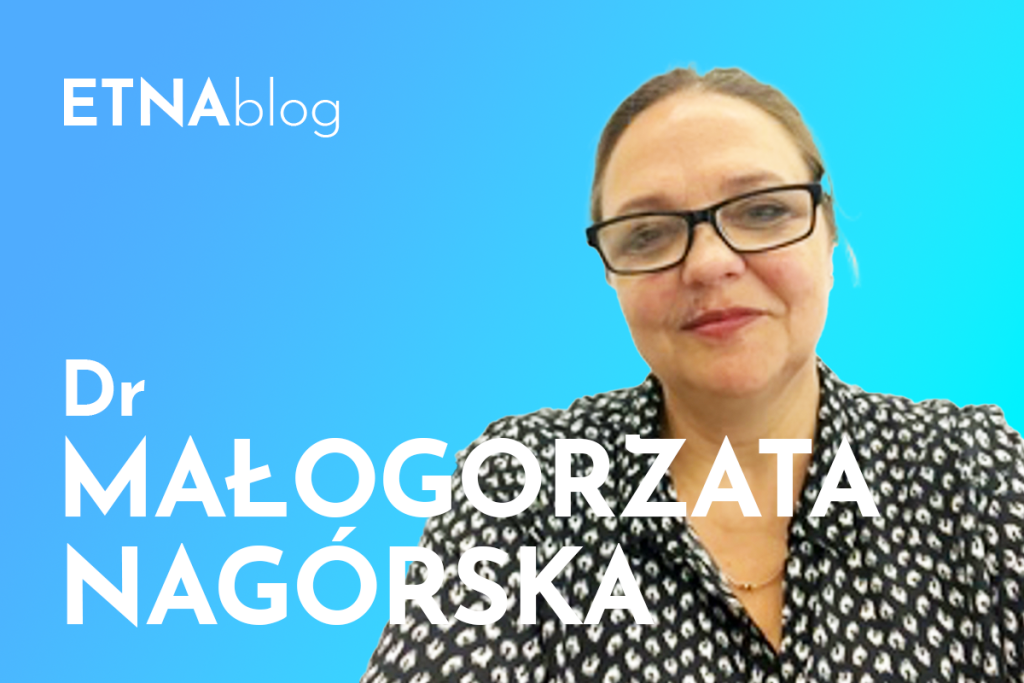
Midwife and sociologist, specialist in obstetrics nursing. Associate professor at the Institute of Nursing, Faculty of Health Sciences and Psychology, Medical College of the University of Rzeszow, Poland. Head of the Department of Interdisciplinary Medical Care. Fellow of European Transcultural Nursing Association. Member of editorial boards of several scientific journals. Her scientific interests concern perinatal care, transcultural nursing, sociology of health and social and legal aspects of medical professions.