
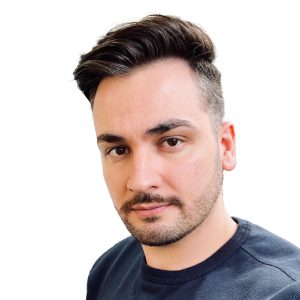

Kirsten Pancione
DNP, FNP-C, PMHNP-BC
Associate Professor, University of South Alabama College of Nursing
In fall 2024, graduate students in the Psychiatric–Mental Health Nurse Practitioner (PMHNP) program at the University of South Alabama (USA) College of Nursing partnered with Occupational Therapy (OT) students at the University of Gondar in Ethiopia through two Collaborative Online International Learning (COIL) courses. COIL connects learners and faculty in different countries through shared online coursework, creating an international experience without the need for travel.
The two COIL experiences, Access to Mental Health Services and Mental Health Stigma and Cultural Perceptions, were co-taught in a shared Canvas course by Dr. Kirsten Pancione and Dr. Brian Johnson (USA) and a faculty partner from the University of Gondar. The interprofessional teams of nursing and occupational therapy students met asynchronously across time zones in structured online discussions and joint projects focused on mental health access, stigma, and cultural influences on care in their respective contexts.
Each COIL course followed a similar structure:
- A pre-course cultural awareness survey
- Two guided discussions with required cross-country replies
- A project focused on access to care or mental health stigma
- A post-course cultural awareness survey
Survey participation was voluntary. Among respondents, most students already reported feeling relatively comfortable working with people from diverse backgrounds at baseline. After the COIL experience, however, more students described themselves as actively seeking information about other cultures and as more confident collaborating with international peers. The proportion who indicated they “rarely” think about learning about other cultures decreased to zero, and nearly four out of five respondents reported actively seeking out opportunities to learn about other cultures.
Students also reported increased knowledge of cultural practices and beliefs in their partner country (United States or Ethiopia) and agreed that the experience helped them feel more comfortable interacting with people from different cultural backgrounds. Qualitative comments highlighted the value of first-hand accounts of mental health access and stigma, as well as the opportunity to compare occupational therapy and nursing roles across health systems.
These COIL courses provided an accessible, structured international learning experience and created space for authentic dialogue about mental health, culture, and professional roles. Building on this foundation, the faculty team plans to continue and expand COIL partnerships to further integrate global perspectives into graduate nursing education.

